


Circular
Servirio`s News
RED ALERT ON THE RIVER! Only 7 out of 33 Mooring Companies are Legal: Brokers and Narcotic Risks Denounced
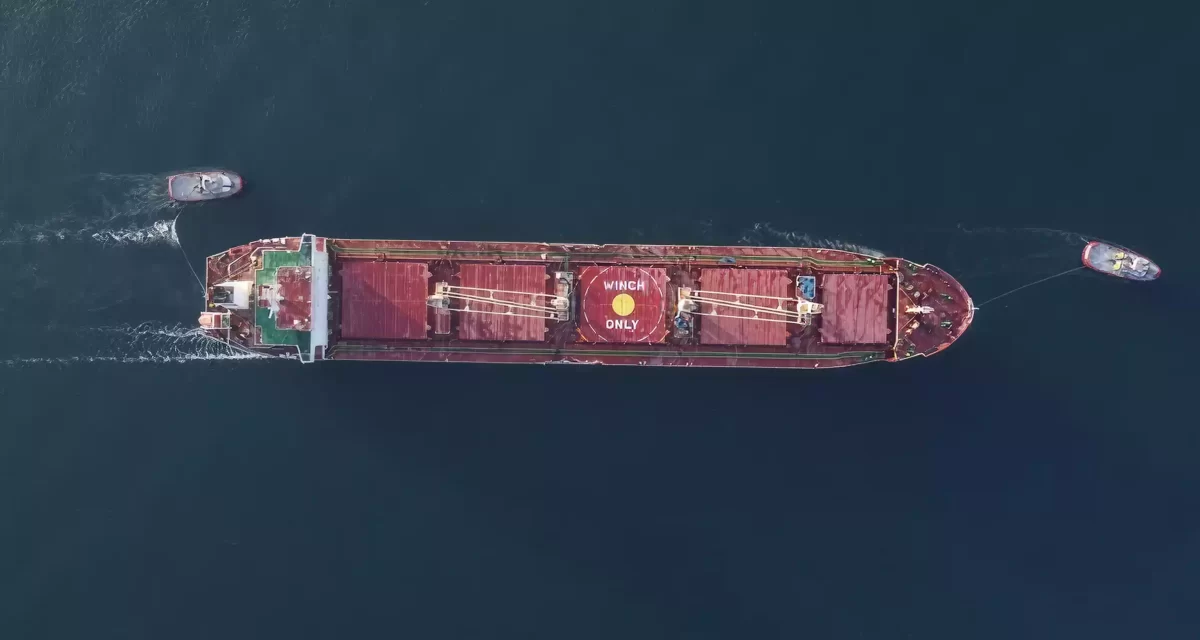
Source: SL24
The lack of oversight by the Naval Prefecture allows “ghost firms” without launches to operate in the exporting hub. In a system that receives 3,000 vessels annually, informality is not just unfair competition but an open door to vessel contamination with drugs.
The Up River port complex, spanning from Ramallo to Timbúes, faces a legality crisis that threatens the international reputation of Argentine terminals. According to industry operators’ reports accessed by SL24, the market for launch and mooring services is saturated with informality: out of the 33 companies currently offering services in the region, barely 6 or 7 comply with all operational and legal requirements.
The “Hallway Brokers” Business
The proliferation of these companies stems from a logistical maneuver aimed at maximizing profits at the expense of safety. These are “brokers” without assets: agencies or intermediaries that do not own their own launches but subcontract precarious firms operating with a single vessel and entirely informal three-person crews.
This scheme allows certain maritime agencies to hire “low-cost” services and then pass on the costs of formal companies to foreign shipowners, pocketing extraordinary rents based on precariousness.
Safety and Drug Trafficking: The Lesson of Vicentin
Informality is not just a paperwork issue; it is a matter of national security. The sector recalls with precision the case of 500 kilograms of cocaine detected at the Vicentin terminal. At that time, the Federal Justice and the Ministry of Security were able to rule out the complicity of “local parties” thanks to a determining factor: traceability.
“The companies that had serviced the vessel were top-tier and had every operation certified. That saved the local operators. In a dirty and marginal port, without records, those drugs could have been loaded by anyone,” industry leaders state.
The traceability of mooring companies is the only real barrier against vessel contamination. A service provided by an unregistered launch is a “blind spot” for criminal intelligence and an unacceptable risk for foreign trade.
Towards a “Port of Excellence”
The possibility of port terminals assuming joint and several liability is seen by genuine operators as the only way to provide seriousness. If the terminal is held responsible for who moors at its dock, the filtering process will be automatic.
A port of excellence is built with companies of excellence. Allowing 80% of service providers to operate in the margins condemns the Greater Rosario area to the category of a “dirty port,” where the profitability of a few brokers puts everyone’s safety at risk.